
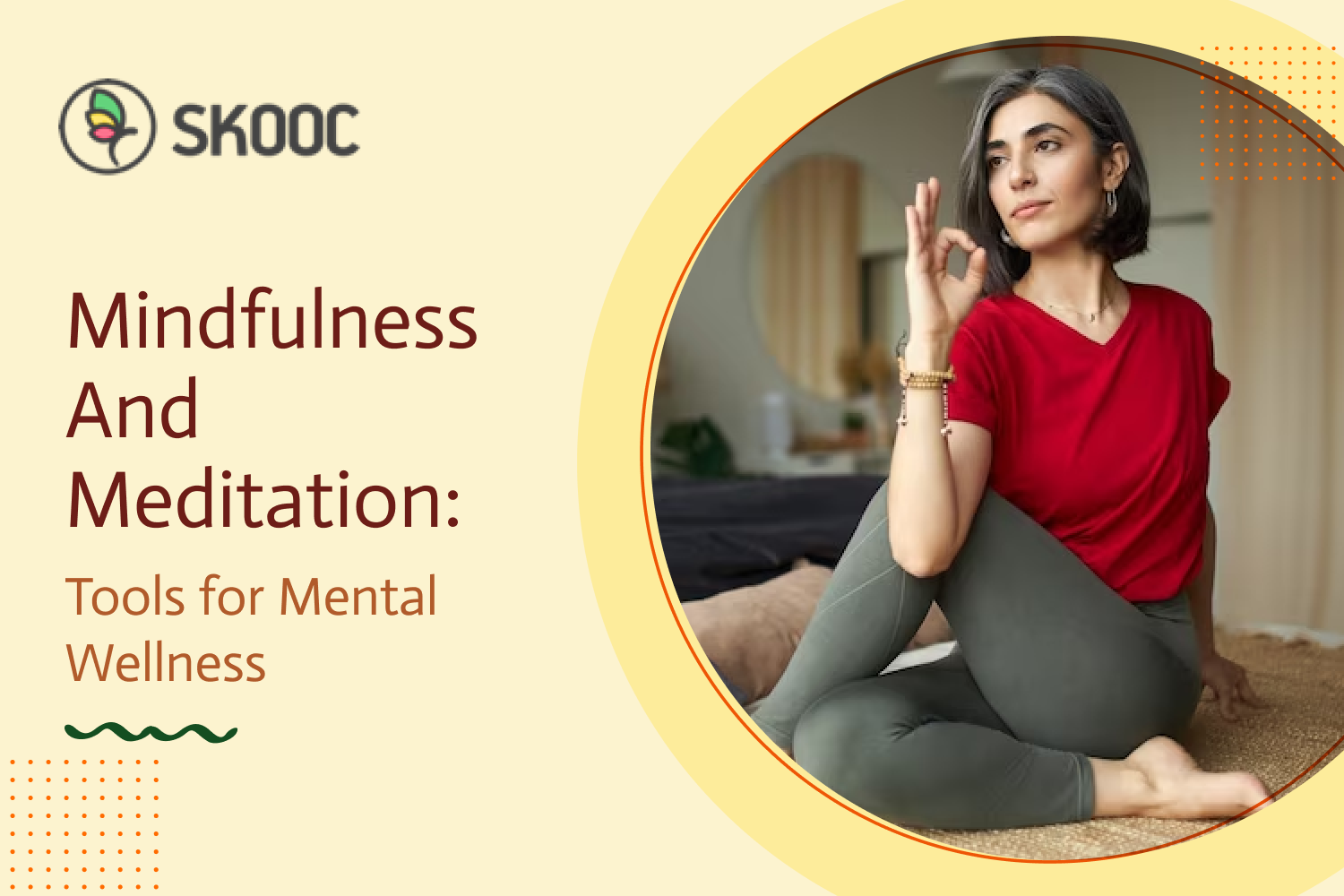
Mindfulness and Mental Wellness
Introduction to Mindfulness
Mindfulness is the practice of paying attention to the present moment without judgment. While rooted in ancient traditions, modern science confirms its powerful benefits for mental wellness. This guide explores mindfulness techniques you can incorporate into daily life to reduce stress, improve focus, and cultivate greater peace.
Understanding Mental Wellness
Mental wellness extends beyond absence of illness. It includes emotional resilience, positive relationships, and sense of purpose. Factors like genetics, life experiences, and environment influence mental health. Recognizing early warning signs allows proactive support. Mental wellness fluctuates; everyone experiences ups and downs. Reducing stigma encourages seeking help when needed.
The Science of Mindfulness
Research confirms mindfulness changes brain structure and function. Regular practice reduces activity in the amygdala, associated with stress. It strengthens prefrontal cortex, responsible for focus and decision-making. Mindfulness decreases cortisol levels and inflammation. It improves emotional regulation and resilience. Benefits increase with consistent practice over time. Even short daily practice produces measurable changes.
Basic Mindfulness Techniques
Simple practices build mindfulness skills. Focus on breath moving in and out. Notice physical sensations throughout body. Observe thoughts without getting caught in them. Practice mindful eating, savoring each bite. Take mindful walks, noticing surroundings fully. Use everyday activities as mindfulness opportunities. Start with just a few minutes daily.
Meditation Fundamentals
Meditation formally develops mindfulness. Find comfortable position sitting or lying down. Start with guided meditations using apps. Focus on chosen anchor like breath or body. Gently return attention when mind wanders. Don't judge yourself for distraction; it's normal. Gradually increase meditation duration. Experiment with different meditation types.
Stress Reduction Through Mindfulness
Mindfulness breaks the stress reactivity cycle. Notice early signs of stress in body. Pause before reacting automatically. Respond thoughtfully rather than reactively. Use breathing to activate relaxation response. Practice self-compassion during difficult moments. Mindfulness doesn't eliminate stress but changes relationship to it. Regular practice builds stress resilience.
Mindfulness for Anxiety and Depression
Mindfulness-based therapies effectively treat mood disorders. Mindfulness-Based Stress Reduction (MBSR) was pioneer program. Mindfulness-Based Cognitive Therapy (MBCT) prevents depression relapse. Observe anxious thoughts without engaging. Recognize thoughts as mental events, not facts. Return to present moment when mind projects worries. Combine mindfulness with professional treatment when needed.
Integrating Mindfulness Into Daily Life
Formal practice supports informal application. Morning meditation sets tone for day. Use transition moments as mindfulness reminders. Practice mindful listening in conversations. Notice nature during daily commute. Take breathing breaks throughout workday. End day with gratitude reflection. Consistency matters more than duration.
Mindful Relationships
Mindfulness enhances all relationships. Listen fully without planning response. Notice emotional reactions before speaking. Respond thoughtfully rather than reacting. Practice empathy and perspective-taking. Appreciate others without judgment. Address conflicts mindfully and directly. Cultivate gratitude for people in your life.
Mindfulness at Work
Workplace mindfulness improves performance and satisfaction. Start meetings with brief centering moment. Take short mindfulness breaks between tasks. Notice when multitasking reduces effectiveness. Practice mindful email and communication. Manage work stress proactively. Create boundaries between work and personal time. Bring presence to each work activity.
Sleep and Mindfulness
Mindfulness improves sleep quality. Bedtime meditation prepares mind for rest. Body scan relaxes physical tension. Let go of racing thoughts about tomorrow. Create calming bedtime routine. Use breath awareness when waking at night. Reduce screen time before bed. Mindfulness addresses root of sleep difficulties.
Building a Sustainable Practice
Consistency creates lasting benefits. Start small with realistic goals. Link practice to existing habits. Use apps and resources for support. Join community for accountability. Expect fluctuations in motivation. Be kind to yourself when practice lapses. Return to practice without judgment.
Conclusion
Mindfulness offers a path to greater mental wellness accessible to everyone. Benefits unfold gradually with consistent practice. Start where you are with what you have. Be patient and compassionate with yourself. Mindfulness is not about achieving special states but being present with what is. The peace you seek is already available in each moment. By cultivating mindfulness, you develop capacity to meet life's challenges with greater ease and respond to joys with fuller presence.